


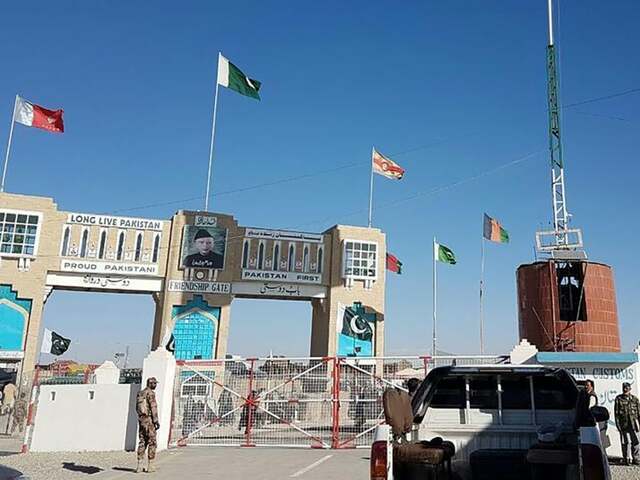
QUETTA – The Chaman border, one of the busiest crossing points between Pakistan and Afghanistan, was shut down following a deadly explosion near a taxi stand in a refugee camp area on Thursday. The blast, described by police sources as a “suicide attack,” has claimed at least six lives while leaving several others injured. Security has been tightened, and internet services remain suspended in the volatile border town, creating a ripple effect across trade, travel, and humanitarian conditions in the region.
The Blast and Immediate Aftermath
The explosion took place in a crowded zone close to the Chaman border crossing, an area frequented by locals, daily wage workers, and Afghan refugees traveling back and forth. Initial reports suggested four deaths, but by Friday, the toll rose to six after some of the critically injured succumbed to their wounds at the Chaman Civil Hospital.
Authorities immediately closed the border crossing, halting all movement between Pakistan and Afghanistan. Long queues of vehicles, loaded with perishable goods and daily commodities, quickly formed on both sides. For many families relying on daily cross-border movement, the sudden halt has created extreme distress, especially under scorching weather conditions.
Security Concerns at Chaman Border
The Chaman crossing is not just a local transit point; it is strategically significant for both countries. It serves as a key route for Afghan transit trade, NATO supplies in the past, and local commerce that sustains thousands of households. However, the border has long been vulnerable to attacks by militant groups exploiting the porous frontier.
The suicide bombing underscores several pressing issues:
- Persistent militancy – The attack highlights that militant networks remain active in border regions despite counterterrorism efforts.
- Civilian vulnerability – Refugee settlements and public spaces, such as taxi stands, are often soft targets, reflecting gaps in security surveillance.
- Border management challenges – The closure indicates how fragile cross-border stability is, and how quickly violence disrupts movement and trade.
Security forces have since increased vigilance, but the incident reaffirms the need for long-term structural reforms in border policing and intelligence-sharing with Afghan counterparts.
Humanitarian Fallout of the Border Closure
The blast did not only claim lives—it also paralyzed daily life for thousands. Afghan families, many of whom travel across Chaman for medical treatment, work, or supplies, were left stranded. Reports confirm hundreds of families waiting under the scorching sun, with limited access to food, water, and shelter.
The suspension of internet services in Chaman and nearby districts has compounded difficulties, cutting off communication between stranded families and their relatives. For refugee communities already living in precarious conditions, the closure represents another layer of hardship.
From a humanitarian standpoint, the closure demonstrates how civilians are the first and worst sufferers in cycles of border violence. International humanitarian agencies and local authorities must take urgent steps to provide relief for stranded families until normalcy is restored.
Economic Impact of Chaman Border Shutdown
Chaman is not just a town—it is a commercial hub for cross-border trade. Daily, hundreds of trucks carrying fruits, vegetables, and essential commodities pass through this crossing. Its sudden closure has several economic consequences:
- Trade disruption – Perishable goods like tomatoes, onions, and fruits risk spoiling as trucks wait for clearance, causing losses for traders on both sides.
- Price hikes – Past closures have shown that even a few days of disruption can trigger inflation in Quetta, Kandahar, and nearby markets.
- Employment losses – Thousands of daily wage earners, including loaders, drivers, and vendors, depend on border activity for survival. The shutdown deprives them of their income.
- Trust deficit in trade relations – Frequent closures discourage investment and weaken confidence in stable Pakistan-Afghanistan trade links.
Given that Pakistan has been striving to expand bilateral trade with Afghanistan, recurring closures like this can undermine broader economic cooperation.
Political and Strategic Dimensions
The Chaman border blast also carries political implications. Pakistan and Afghanistan share a tense yet interdependent relationship, with border stability being a recurring flashpoint. Whenever violence erupts, it risks sparking diplomatic tensions.
This attack will likely fuel debates on:
- Afghan-based militant sanctuaries – Whether such attacks are planned across the border or within Pakistan remains a matter of investigation, but suspicions often inflame political rhetoric.
- Bilateral cooperation on counterterrorism – Incidents like this emphasize the urgency of joint mechanisms for intelligence sharing and coordinated border patrols.
- Public sentiment – For people in Balochistan, repeated closures feed frustration over security mismanagement and economic neglect.
Strategically, Pakistan cannot afford prolonged instability at Chaman, given its role in regional connectivity projects like CPEC and its aspirations for trade corridors linking Central Asia.
The Road Ahead: Balancing Security and Humanitarian Needs
Analysts argue that the Chaman blast reflects the broader challenge Pakistan faces in balancing counterterrorism with humanitarian and economic priorities. Three key steps emerge as necessary:
- Strengthening Border Security – More advanced surveillance technology, biometric systems, and intelligence-led policing must be deployed to prevent militant infiltration.
- Humanitarian Preparedness – Crisis management cells should be established to provide immediate relief to civilians whenever borders are abruptly closed.
- Diplomatic Engagement with Afghanistan – Sustained dialogue on counterterrorism cooperation, refugee management, and trade facilitation is crucial to reduce friction.
Without these measures, the cycle of violence and closure risks becoming a recurring obstacle to peace and development in the region.
Conclusion
The Chaman border blast is a stark reminder of the fragile security and humanitarian landscape in Pakistan’s borderlands. What began as a deadly explosion has snowballed into a multi-layered crisis affecting lives, trade, and bilateral relations. As authorities investigate the suicide attack and reinforce security, the plight of stranded families and the economic disruption cannot be ignored.
The closure is not just a temporary inconvenience—it reflects the urgent need for structural reforms in border security, humanitarian response, and regional diplomacy. Chaman, long known as a gateway between Pakistan and Afghanistan, must not become a perpetual symbol of violence and instability.